понедельник, 29 февраля 2016 г.


четверг, 4 февраля 2016 г.


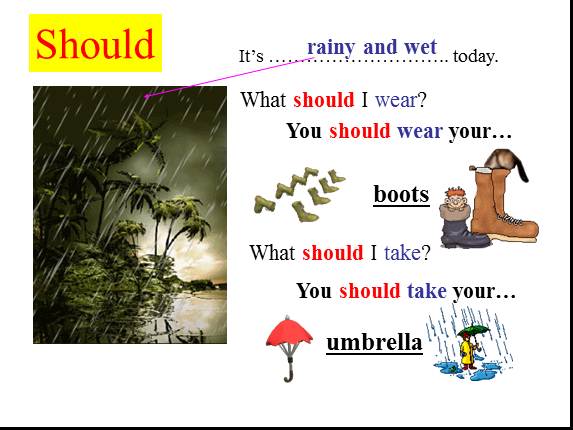

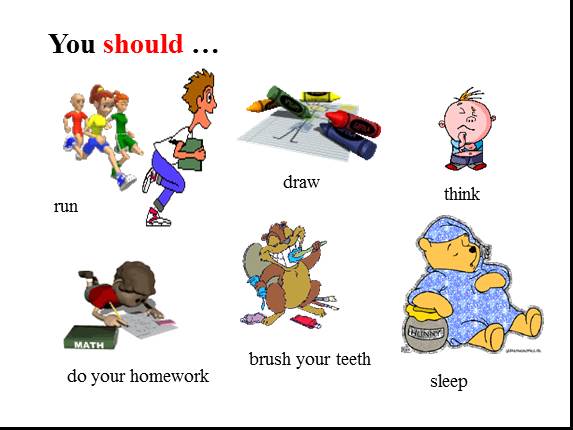
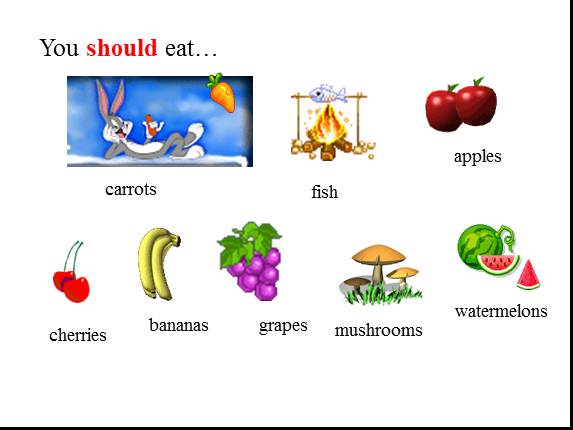
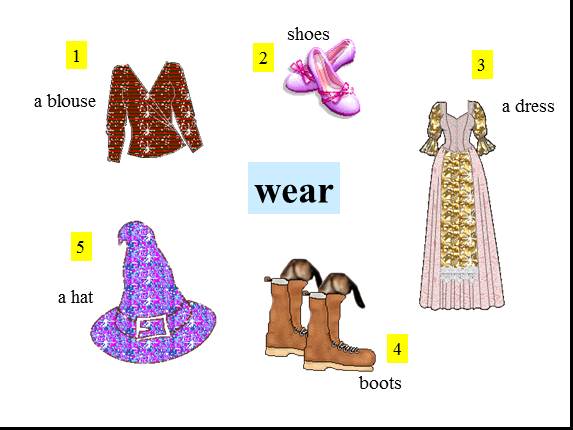
Материал для повторения для учащихся 5-х классов.
How to speak about future?
The Future Indefinite Tense (Future Simple) -
How to speak about future?
The Future Indefinite Tense (Future Simple) -
lдля
выражения однократного или повторяющегося действия в будущем
lshall / will + V
Signal words
ltomorrow
lthe day after tomorrow
lnext Monday
lin a few days
Translate these sentences
into English.
lНа следующей неделе они уедут
(leave for) в Лондон.
lОн не будет слушать (listen to) оперу.
lЗавтра мои родители прибудут в
Нью-Йорк.
lКуда они поедут следующим
летом?
lУ кого будет вечеринка через
два дня?
Be going to… - для описания запланированного действия, для выражения
намерения говорящего.
lAm / is / are + going to + V
lWho is going to do what?
lI/play/the piano.
lMary/go/to the cinema.
lTim/visit/Trafalgar Square
lThey/have/a birthday party.
lWe/move/to a new cottage.
The present Continuous
tense - для описания
запланированного действия, которое произойдёт в ближайшем будущем.
lam / is /are + V ing
lExpress the same idea in another way.
lThe plane is going to arrive half an hour
later.
lMy friends are going to come to Moscow for
the weekend.
lMy grandparents are going to move into a new
flat next week.
lWhen are they going to arrive?
Use Future Indefinite,
Present Continuous or “to be going to”
1.She (be) nine next month.
2.I think I (go) to the country tomorrow.
3.What you (buy) in this shop? I haven’t
decided yet I probably (buy) some apples.
4.She (arrive) next Sunday.
5.We (move) into a new house next month.
среда, 3 февраля 2016 г.
9 февраля отмечается Международный день безопасного интернета.
10 rules for Internet use
If children are to use the Internet unsupervised, an agreement or set of rules should be made in dialogue with the children.
 An open dialogue with children regarding Internet rules makes it easier for children to understand and agree with the rules. It is also more likely that children will follow the rules when they have participated in making them.
- Parents should keep themselves oriented on their children’s use of Internet. Children should share their experiences online with their parents.
- An agreement should be made on how much time children are allowed to spend online every day, which websites they are allowed to visit and which activities they can do there.
- Children should trust their “gut feeling”. If something they see, read or experience online makes them feel nervous or uncomfortable, they ought to share these feelings.
- When children participate in an online activity where a log on name or user name is required, parents should help them come up with a suitable name and make sure it doesn’t reveal any personal information.
- Inform children never to reveal their address, phone number or any other personal information, such as which school they attend, where they like to play and so on.
- Rules for good behaviour and the difference between right and wrong is the same online as in normal life.
- We all have to respect other people’s property online. Illegal copying of music, games, movies, software and so forth is theft in the same way as stealing something in a store.
- Children must never agree to meet friends they have met online in person. Such friends are not always who they seem to be!
- Children need to know that not everything they read or see on the Internet is true. If uncertain, they ought to ask an adult.
- Children’s activities online can be controlled using advanced software. These are not used by adults because they mistrust children, but in order to make it safer to use the Internet. Different safety settings help blocking inappropriate content, monitoring what websites children visit and keeping track of their online activities.
Source:
Microsoft
Useful links:
Microsoft Online Safety
http://www.microsoft.com/protect/
Microsoft Security
http://www.microsoft.com/security/
Microsoft
Useful links:
Microsoft Online Safety
http://www.microsoft.com/protect/
Microsoft Security
http://www.microsoft.com/security/
Предлоги места: inside, out, outside
Значение предлога места inside очень похоже на значение предлога in и обозначает нахождение внутри какого-либо закрытого места, объема или пространства. Часто речь идет о помещении. Если вы находитесь за закрытыми дверьми внутри здания, вы скажете:
I am inside the house. - Я нахожусь в доме.
Предполагается окружение со всех сторон и границ.
Do you want to stay inside Europe? - Вы хотите остаться в Европе?
Предлог inside можно противопоставить с предлогом out, который означает нахождение снаружи:
Пример с out:
Out this door is the garage. — За этой дверью гараж.
В значении "вне, снаружи, за" часто применяют предлог outside. Он уместен в том случае, когда кто-то или что-то располагается не в помещении, здании, комнате и т.д., а снаружи, но, тем не менее, неподалеку.
There was nobody outside the door. - За дверью никого не было.
One of the news-stands outside the station was full of foreign papers and magazines. - В одном из газетных киосков за станцией было полно иностранных газет и журналов.
I am inside the house. - Я нахожусь в доме.
Предполагается окружение со всех сторон и границ.
Do you want to stay inside Europe? - Вы хотите остаться в Европе?
Предлог inside можно противопоставить с предлогом out, который означает нахождение снаружи:
Пример с out:
Out this door is the garage. — За этой дверью гараж.
В значении "вне, снаружи, за" часто применяют предлог outside. Он уместен в том случае, когда кто-то или что-то располагается не в помещении, здании, комнате и т.д., а снаружи, но, тем не менее, неподалеку.
There was nobody outside the door. - За дверью никого не было.
One of the news-stands outside the station was full of foreign papers and magazines. - В одном из газетных киосков за станцией было полно иностранных газет и журналов.
Английская транскрипция
ГЛАСНЫЕ И ДИФТОНГИ
[i:] похож на долгий русский [и]
[ı] краткий [и], как в слове снаружи
[e] похож на звук [e] в слове шесть
[æ] похож на русский [э]
[ɑ:] долгий и глубокий [а], как в слове галка
[ɒ] краткий [o], как в слове вот
[ᴐ:] долгий, глубокий [o], как в слове долго
[ʊ] краткий, близкий к [у]
[u:] долгий [у], как в слове булка
[ʌ] похож на русский [а]
[ə:] = [ɜ:] похож на долгий [ё] в слове свёкла
[ə] неясный безударный звук, близкий к [э]
[eı] похож на [эй]
[əʊ] похож на [оу]
[aı] похож на [ай]
[ᴐı] похож на [ой]
[ıə] похож на [иэ]
[eə] похож на [эа
[ʊə] похож на [уэ]
СОГЛАСНЫЕ
[p] произносится как русский [п], но с придыханием
[b] похож на русский [б]
[t] сходен с русским [т], но артикулируется у альвеол и сопровождается придыханием
[d] похож на [д]
[k] похож на [к], произносится с придыханием
[ɡ] похож на [г]
[f] похож на [ф]
[v] похож на [в]
[θ] кончик языка помещается в щели между верхними и нижними зубами, произносится без голоса
[ð] звонкий [θ], произносится с голосом
[s] похож на [с]
[z] похож на [з]
[ʃ] средний между русскими [ш] и [щ]
[ʒ] похож на [ж]
[ʧ] похож на [ч]
[ʤ] похож на [д] и [ж], произнесенные слитно
[h] просто выдох
[m] похож на [м]
[n] похож на [н]
[ŋ] звук [н], произнесенный «в нос», задней частью спинки языка
[r] слабый русский [р]
[l] смягченый русский [л]
[w] сильно напряженные округленные губы произносят краткий звук [у] и переходят в положение для последующего гласного
[j] похож на слабый русский [й]
Подписаться на:
Комментарии (Atom)